Omid Malekan and Lorenzo Valente debate blockchain rollbacks after $6B Binance hack
译文暂不可用,显示英文原文。查看英文原文
阅读字号阅读正文 ↓
加载图片中
The debate underscores the tension between blockchain's immutability and the need for security measures, impacting trust and future governance.
Photo: Julio Lopez / Pexels
The largest recorded crypto heist has revived an old argument about whether blockchains should ever get an undo button
Mon 9 Nov 2026 · 17:22 EST · 3 min read
In Security
Share
Somebody drained approximately $6.3 billion from Binance’s hot wallets on October 29, 2026. It is the largest recorded crypto heist, and the money moved across several blockchains at once.
Now two well-known voices are fighting about the response. Lorenzo Valente wants major chains to have an emergency undo button for a few years, and Omid Malekan thinks that idea would break the very thing that makes blockchains worth using.
What happened at Binance
The attack hit Binance hot wallets on Ethereum, Bitcoin, Tron, XRP Ledger, and Solana. Hot wallets are the exchange’s online accounts, kept connected to the internet so customer withdrawals can be processed quickly.
The attackers did not walk off with private keys, the master passwords that control those wallets. Instead, the exploit went after Binance’s signing infrastructure, the machinery that approves and authorizes transactions.
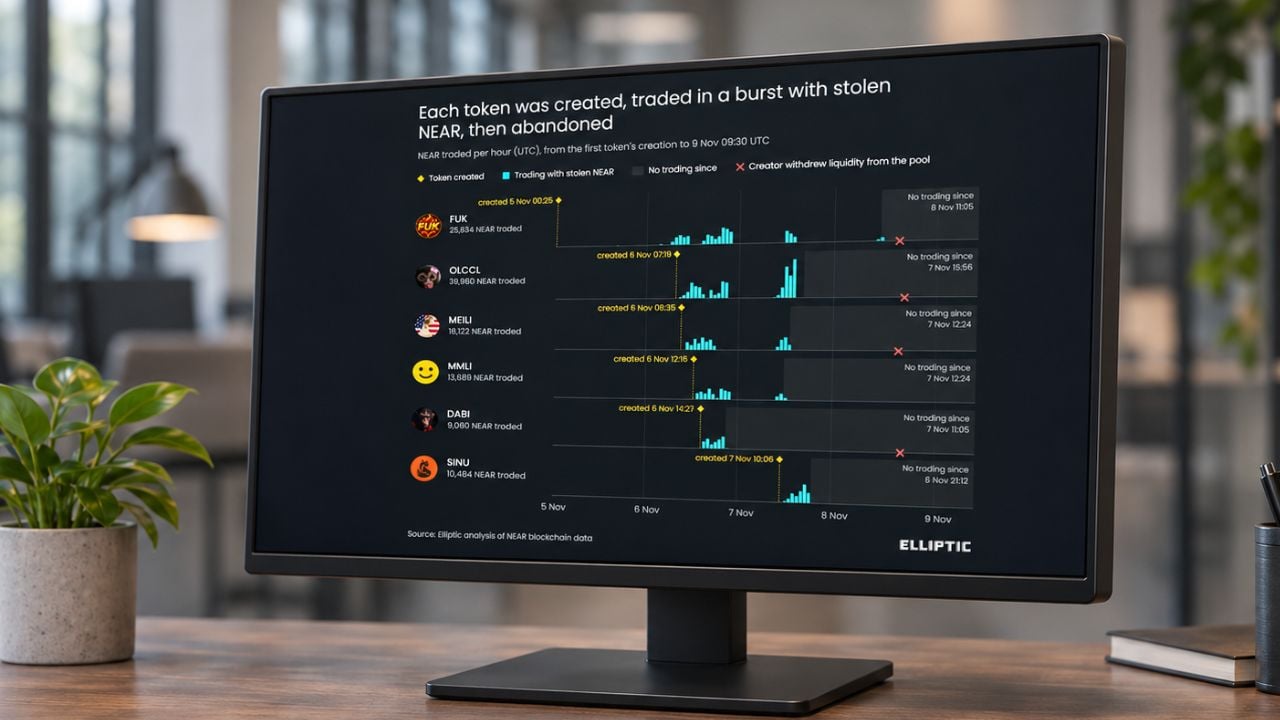
Blockchain analytics firms tracing the stolen funds identified the perpetrator as TraderTraitor, a group linked to North Korea.
Binance said it covered $6 billion of the loss from its own reserves. The exchange reopened withdrawals by November 1, 2026, three days after the breach.
Stablecoin issuers reportedly froze around $3 billion of the affected assets. Stablecoins are tokens pegged to currencies like the US dollar, and their issuers can block specific addresses from moving them.
Valente’s case for a temporary undo button
Valente has proposed what he calls a hardening period lasting 2-3 years. During that window, Bitcoin, Ethereum, and Solana would be able to coordinate rollbacks at the validator level when something truly catastrophic happens.
His proposal is aimed at extreme black-swan scenarios, not everyday thefts. He points specifically to the rise of more sophisticated threats, including AI-driven attacks and quantum attacks.
Malekan’s case against reversibility
Malekan is not buying it. He argues that adding an undo button would compromise the integrity and neutrality of permissionless blockchains, meaning networks anyone can use without asking for approval.
His concern goes beyond technical design. Malekan warns that a rollback power could lead to systemic failures and political fights over who controls it.
Malekan’s critique also draws on the Mt. Gox theft, which has been raised as a parallel to the Binance incident. In his framing, history reinforces the argument against large-scale reversals across the blockchain ecosystem.
Why this argument keeps coming back
The tension between finality and user protection is one of crypto’s oldest disputes. Finality is the guarantee that once a transaction is confirmed, it stays confirmed, which is a large part of what separates blockchains from traditional payment rails where reversals are routine.
For now, the debate remains a debate. The hack has not produced any immediate governance changes on major networks.
What this means for investors and the industry
The episode highlights an awkward split in how the losses were handled. Binance absorbed $6 billion from its reserves, and stablecoin issuers reportedly froze around $3 billion, which means the most visible recovery tools came from centralized actors rather than the blockchains themselves.
The North Korea attribution adds another layer. A state-sponsored group targeting signing systems rather than keys suggests exchanges may need to rethink how they secure transaction approval, not just how they store credentials.
Disclosure: This article was edited by John Chen. For more information on how we create and review content, see our Editorial Policy.